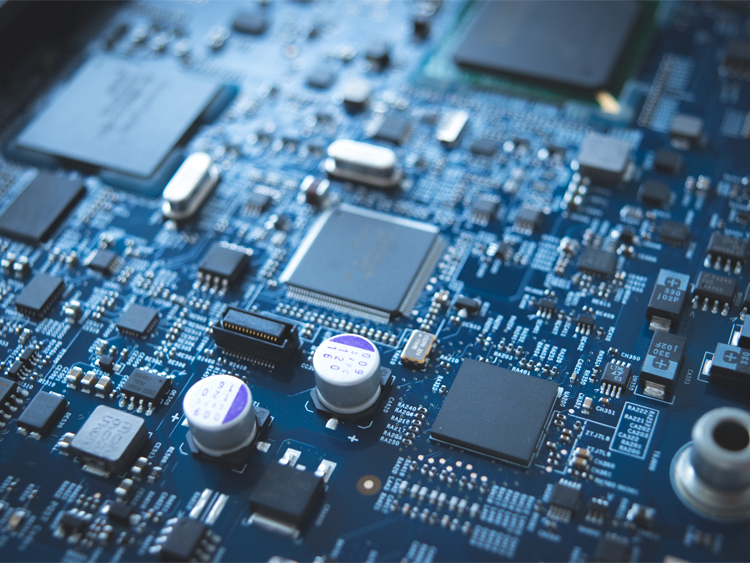

Printed circuit board (PCB) assembly is a critical step in bringing electronic products to market. For OEMs and product developers, one of the biggest decisions is whether to outsource PCB assembly overseas or partner with a domestic manufacturer that offers in-house assembly.
At first glance, overseas manufacturing can appear more cost-effective. But when lead times, quality risks, communication challenges, and hidden expenses are factored in, the true cost picture often changes.
Below, we break down the pros, cons, and hidden costs of both options to help you make an informed decision.
Outsourcing PCB Assembly Overseas
Pros
Lower labor costs
Overseas facilities often advertise lower per-unit pricing, especially for high-volume production.
High-volume capacity
Large offshore manufacturers may be well suited for extremely high production runs with stable designs.
Cons
Longer lead times
Shipping, customs clearance, and extended production queues can add weeks—or months—to your timeline.
Communication challenges
Time zone differences, language barriers, and slower feedback loops can complicate design changes or issue resolution.
Limited visibility and control
It’s harder to audit processes, verify materials, or make quick adjustments when your manufacturer is thousands of miles away.
Higher risk for IP exposure
For proprietary or innovative designs, overseas outsourcing may increase the risk of intellectual property leakage.
Hidden Costs of Overseas Assembly
- Expedited shipping fees to recover schedule delays
- Increased inventory carrying costs due to longer lead times
- Quality escapes that aren’t discovered until product arrives stateside
- Engineering rework caused by miscommunication
- Travel costs for audits or issue resolution
- Tariffs, duties, and changing trade regulations
What initially looks like savings on a quote can quickly erode once these factors are accounted for.
In-House Domestic PCB Assembly
Pros
Shorter lead times
Domestic assembly significantly reduces transit time, allowing faster production starts and quicker delivery.
Improved communication
Direct access to engineering and production teams enables faster decisions, clearer feedback, and smoother collaboration.
Higher quality control
In-house PCB assembly allows for tighter process control, real-time inspection, and immediate corrective action.
Design-for-manufacturability support
Domestic partners can collaborate early in the design phase, helping optimize layouts, component selection, and assembly methods.
Stronger supply chain resilience
Local sourcing and assembly reduce exposure to global disruptions, shipping delays, and geopolitical uncertainty.
Cons
Higher upfront labor costs
Domestic labor rates are typically higher than overseas alternatives, particularly for labor-intensive assemblies.
Not ideal for ultra-high-volume, low-mix products
Some very high-volume, cost-driven products may still favor offshore production.
The Often-Overlooked Value
While domestic PCB assembly may carry a higher unit cost, it often delivers lower total cost of ownership by reducing rework, downtime, delays, and risk—especially for complex, low-to-mid volume, or harsh-environment applications.
Choosing the Right Option for Your Application
The right PCB assembly strategy depends on your product requirements, production volumes, and risk tolerance. Domestic, in-house PCB assembly is often the better choice when:
- Products operate in harsh or demanding environments
- Designs are complex or evolving
- Time-to-market is critical
- Quality and reliability are non-negotiable
- Engineering collaboration adds value
- Supply chain stability matters
Why In-House PCB Assembly Matters
At Riverside Manufacturing, PCB assembly is performed in-house as part of our vertically integrated manufacturing model. This allows us to support our customers from early design through full production with:
- Faster turnaround times
- Tighter quality control
- Improved communication between engineering and manufacturing
- Seamless integration with plastic injection molding, metal fabrication, and final assembly
For OEMs looking to reduce risk, improve quality, and gain a true manufacturing partner—not just a vendor—domestic in-house PCB assembly offers clear advantages.
Looking to Optimize Your PCB Assembly Strategy?
If you’re evaluating manufacturing options or reconsidering an overseas supplier, our team is happy to discuss how a domestic, in-house approach could support your product goals. Use our contact form below and let’s get started today.